
Delhi Cantt Village :- A Rustic and Historic Settlement Amidst the Military Enclave
Recognized as one of the cleanest, most disciplined, and greenest zones of the capital, the military domain of ‘Delhi Cantt‘ holds a unique rural settlement within its secure perimeter. Known locally as ‘Delhi Cantt Village’ (or Old Jharera Village), this urban hamlet presents a fascinating juxtaposition between modern defense infrastructure and traditional village lifestyle. Through this blog, let us explore the structured lanes, history, and unique identity of this secure urban village in South-West Delhi.
Detailed History
The lineage of Delhi Cantt Village stretches back well into the British colonial era and earlier periods. Originally, this entire region comprised rustic agricultural settlements, with ‘Jharera’ being one of the prominent ancestral hubs where local farming communities resided for generations. The geopolitical landscape changed drastically in 1914 during World War I, when the British Indian Army acquired vast tracts of this agricultural land to set up a massive military cantonment.
Post-independence, the Indian Armed Forces further expanded the zone into a highly structured defense headquarters. Yet, within the secure parameters and strict guidelines of the Cantonment, the core residential village preserved its demographic character. Unlike other urban villages in Delhi that suffered from unchecked commercial expansion, this village remains uniquely clean and disciplined, as it falls under the direct municipal administration and civic monitoring of the Delhi Cantonment Board. It stands as a timeless bridge between Delhi’s agrarian past and its proud military history.
Detailed Architecture
The structural design of Delhi Cantt Village and its immediate surroundings highlights a distinct transition where simple rural concrete forms meet colonial-era military architecture.
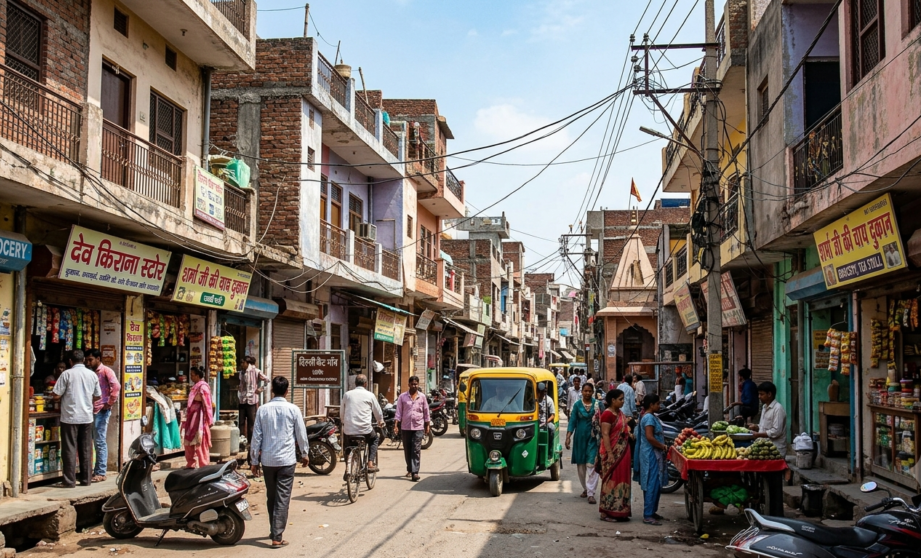
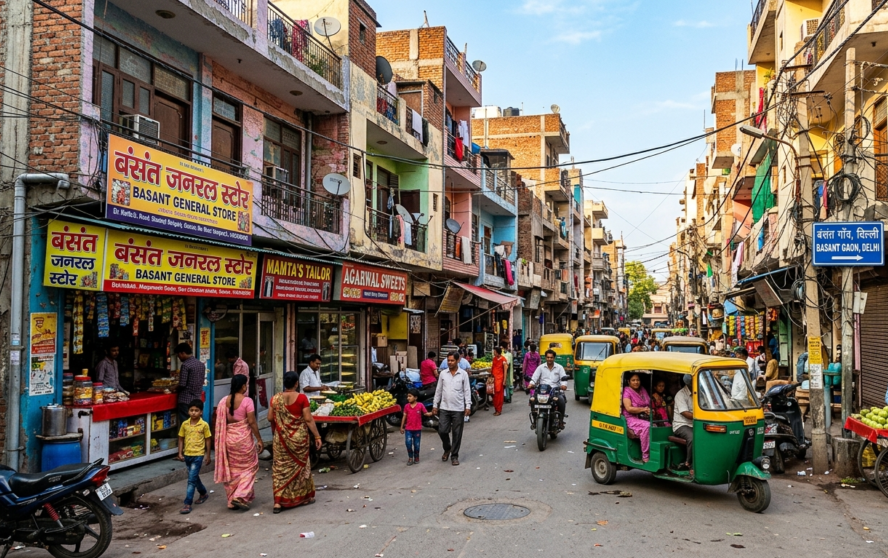
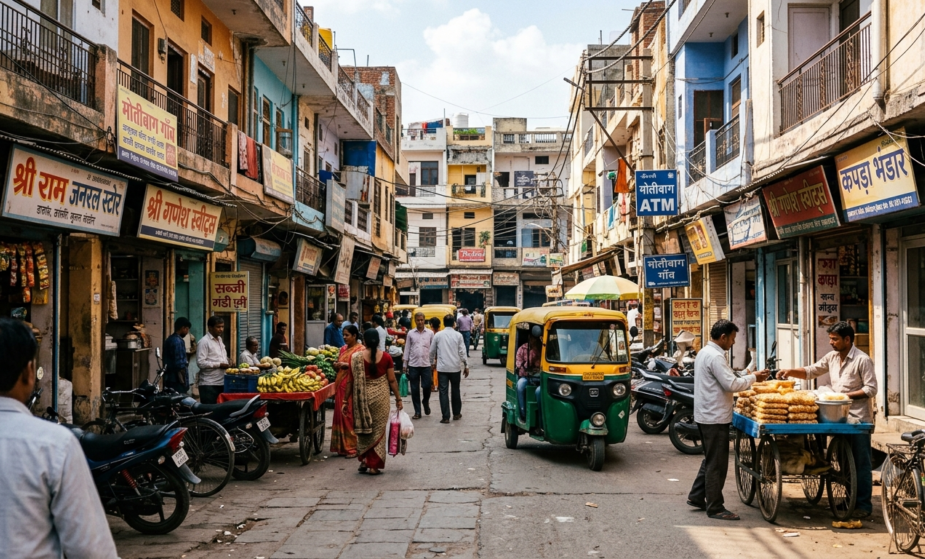
- Exterior Architecture :– The periphery of the village features immaculate wide avenues, high security barricades, expansive green canopies, and military barracks. As you step inside the designated civilian village boundaries, the roads narrow into classic winding lanes. The architecture primarily consists of multi-story concrete residential spaces, many of which feature small, traditional retail storefronts catering to local needs.
- Interior Architecture :– The older ancestral homes inside the village still retain basic courtyards and open living layouts tailored for community interaction. Most structures have undergone modern renovations over the decades. In contrast, the military zone immediately outside features sprawling colonial-style bungalows, monumental pillars, and immaculate war memorials, providing a highly organized and grand aesthetic to the entire landscape.
Travel Guide & Routes
For travelers and explorers planning to experience the highly unique and disciplined environment of Delhi Cantt Village, the comprehensive travel blueprint is arranged sequentially below.
- Ticket :– Entry to the civilian areas of Delhi Cantt Village and its public markets is entirely Free of cost. (Note: Entry into core operational military premises and specific strategic structures is strictly restricted to defense personnel).
- Visiting Time :– The recommended time to explore is between 06:00 AM to 07:30 PM. Being a highly secured military zone, loitering late at night without valid reason is strictly discouraged.
- Opening & Closing Time :– While the residential nucleus remains accessible 24/7, the adjacent civilian markets, eateries, and public parks operate primarily from 09:30 AM to 09:00 PM.
- How to Reach :–
- By Metro :– The closest transit point is the ‘Delhi Cantt’ Metro Station on the Pink Line. Additionally, the ‘Sadar Bazar Cantonment’ Metro Station on the Magenta Line is equally close. From either station, e-rickshaws and auto-rickshaws are readily available.
- By Bus :– The region is directly linked to the Ring Road and National Highway. Any DTC bus heading towards Dhaula Kuan or Janakpuri via Delhi Cantt will drop you at the main cantonment intersections.
- By Road/Cab :– You can drive down or hail an app-based cab directly to ‘Delhi Cantt Village, Jharera’. Due to stringent military traffic regulations, parking on the roadside is strictly illegal; ensure you park your vehicle only at authorized Cantonment Board parking spaces.
Photography Spots, Local Flavors, and Famous Markets
- Photography Spots :–
- The compelling visual intersection where rural civilian life meets structured military avenues.
- The beautifully landscaped cantonment roundabouts displaying vintage decommissioned fighter tanks and artillery guns.
- The vibrant, highly regulated street life inside the village market lanes.
- Crucial Note :- Photography of military checkpoints, active jawans, guard posts, and strategic defense assets is strictly prohibited by law.
- Local Flavors :– The local eateries inside Delhi Cantt Village offer classic North Indian street flavors under highly hygienic conditions. Freshly fried samosas, bread pakoras, kachoris, and crisp syrupy jalebis are absolute crowd-pleasers. Due to strict municipal health inspections by the Cantonment Board, food hygiene levels here are exceptionally high.
- Famous Market :– The village contains essential retail shops, but it is flanked by the iconic ‘Sadar Bazar, Delhi Cantt’. This historic market is a famous retail haven for both defense families and civilian shoppers, widely celebrated for high-quality garments, footwear, daily provisions, and authentic military gear at highly competitive prices.
Nearby Attractions
The strategic location of Delhi Cantt Village offers easy access to some of the city’s finest institutional landmarks.
- Indian Air Force Museum (Palam) :– Located just a short drive away, this premium museum houses a rare collection of historic inventory, fighter planes, and IAF history.
- Sadar Bazar (Delhi Cantt) :– An exceptional neighborhood market for extensive budget shopping and local culinary tasting.
- Dhaula Kuan Park & Buddha Jayanti Park :– Sprawling, beautifully maintained green lungs of Delhi located nearby, perfect for serene nature walks.
- Cariappa Parade Ground :– One of the largest and most prestigious military parade arenas in the country, showcasing monumental nationalist pride.
Interesting Facts
- Delhi Cantt Village (Jharera) is legally classified as one of the most secure and sanitised urban villages in India, owing to the civic and administrative jurisdiction of the military Cantonment Board.
- The surrounding cantonment was established during the height of the British empire to mobilize forces during World War I, making it a living relic of global military history.
- Despite being enclosed by elite modern defense facilities and transport corridors, the native inhabitants have successfully kept their ancestral customs, community punchayats, and rustic village identity intact.
Important Questions and Answer :-
Question 1:– Do civilian tourists require a special security pass to enter Delhi Cantt Village?
Answer:- No, ordinary citizens do not require any special permit or pass to visit the residential pockets and civilian markets of Delhi Cantt Village. Security credentials are only verified if you attempt to enter restricted military installations.
Question 2:– Are tourist cameras and photography allowed in the Delhi Cantt area?
Answer:- General travel photography is perfectly safe within civilian housing and public markets. However, taking photographs or videos of military bunkers, checkpoints, sentries, or defense installations is a severe security violation.
Question 3:- Is there a railway station close to the village area?
Answer:- Yes, the ‘Delhi Cantonment’ Railway Station (DEC) is located right within the zone, serving as a major stop for multiple interstate trains connecting Delhi to Rajasthan, Gujarat, and beyond.
Author’s Perspective :-
In my perspective, Delhi Cantt Village represents a rare harmony of civic discipline, national security, and native rural heritage that is virtually impossible to find elsewhere in Delhi. While most urban villages in the capital have unfortunately succumbed to chaotic over-construction and congestion, this enclave stands out as a model of order and cleanliness under the watchful guidance of the armed forces. It proves that with structural accountability and strict civic enforcement, the authentic soul of a village can beautifully survive and flourish within a major global metropolis.
“Under the protective canopy of military honor, the quiet lanes of Delhi Cantt continue to preserve the authentic, unhurried essence of India’s native roots.”