
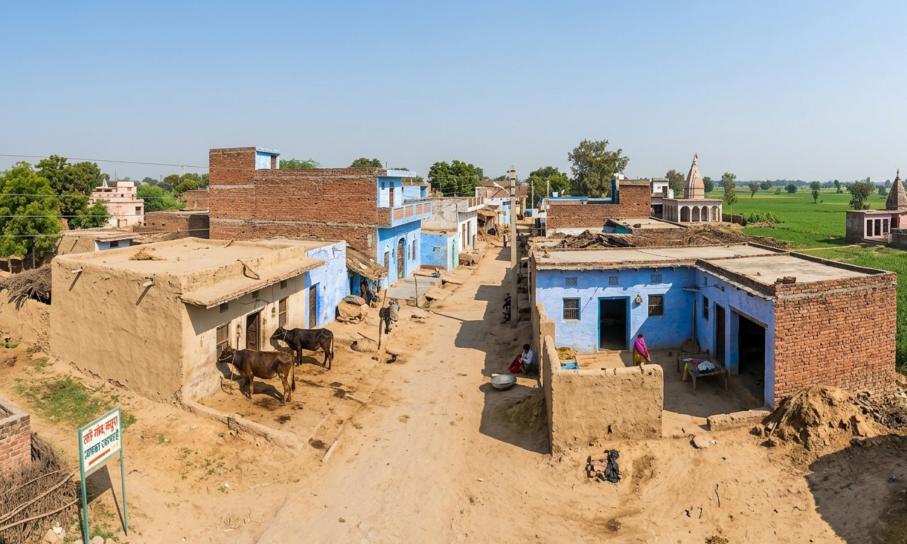
Tare, Mathura :- Historical Background and Cultural Heritage
Located in the historic Mathura district of Uttar Pradesh, Tare is a culturally vibrant and peaceful village nestled in the heart of the Braj region. Deeply tied to the sacred identity of Mathura, Tare reflects the timeless traditions, spiritual warmth, and authentic rural atmosphere of North India. For travelers seeking to experience the serene countryside alongside the famous pilgrimage centers of Mathura and Vrindavan, visiting Tare offers a soul-enriching journey.
Detailed History
The history of Tare is woven into the broader cultural and mythological tapestry of the Braj region. According to local lore, the entire surrounding belt was historically associated with pastoral traditions, Vedic heritage, and the divine lore of Lord Krishna.
Over the centuries, Tare developed as an agrarian hamlet supporting regional trade routes connected to Mathura and Hathras. During the colonial era, the villagers maintained a self-sufficient rural economy centered on agriculture and cattle rearing. Today, Tare stands as a testament to the enduring traditions and community spirit of rural Braj.
Detailed Architecture
The architectural landscape of Tare showcases traditional North Indian rural construction intertwined with classic Braj design elements.
- Exterior Architecture :– The older sections of the village feature classic brick structures, arched entryways, and traditional ancestral homes (havelis). Local shrines and temples display North Indian temple architecture, complete with carved stone pillars, decorative arches, and traditional spires (shikharas).
- Interior Architecture :– Houses and temples in Tare are constructed around open central courtyards (aangans), ensuring maximum ventilation and natural sunlight. Inner sanctums (garbhagrihas) in local shrines feature marble pedestals and traditional devotional artwork depicting scenes from Braj heritage.
Nearby Attractions
- Goverdhan Hill & Dauji Temple :– Reached easily from Tare, these legendary pilgrimage destinations attract thousands of devotees daily.
- Local Heritage Shrines :– Ancient Shiva and Hanuman temples located within the village that serve as spiritual centers for the locals.
- Yamuna Riverbanks :– Scenic and tranquil spots along the Yamuna River nearby, offering peaceful surroundings for meditation and nature walks.
- Mathura & Vrindavan Temples :– Iconic shrines like Shri Krishna Janmabhoomi and Banke Bihari Temple are located just a short drive from Tare.
Travel Guide & Routes
- Ticket Entry :– Entry to Tare village and its local shrines is completely free of charge.
- Timings :–
- Temple Visiting Hours:- 05:00 AM to 12:00 PM and 04:30 PM to 08:30 PM.
- Local Shops & Markets:- 08:00 AM to 08:00 PM.
- How to Reach :–
- By Road :– Tare is well-connected by road to Mathura city. Taxis, auto-rickshaws, and local buses operate frequently from Mathura Junction, Vrindavan, and Goverdhan.
- By Rail :– The nearest major railhead is Mathura Junction (MTJ), which is extensively connected to major Indian cities. Local transport to Tare is readily available from the station.
- By Air :– The nearest airport is Pandit Deen Dayal Upadhyay Airport in Agra (approx. 65-70 km) and Indira Gandhi International Airport in New Delhi (approx. 150 km).
Photography Spots
- Rustic Landscape & Fields :– Broad agricultural fields surrounding the village provide picturesque backdrops during sunrise and sunset.
- Traditional Alleys & Brick Houses :– Narrow village lanes lined with brick structures offer authentic rustic visuals for travel photography.
- Festive Celebrations :– Local celebrations during festivals like Holi, Janmashtami, and Goverdhan Puja present lively street photography opportunities.
Local Flavors & Famous Markets
- Local Flavors :– Being an integral part of the Braj region, Tare is famous for pure milk products and traditional sweets. Visitors can relish authentic Mathura Peda, Makhan Mishri, hot Kachori-Jalebi, Rabri, and refreshing Lassi.
- Famous Markets :– The local village market caters to daily needs and religious offerings. For extensive shopping of brass idols, traditional attire, and handicrafts, the main bazaars of central Mathura are close at hand.
Interesting Facts
- Authentic Rural Braj Culture :– Tare retains the unadulterated charm of rural Braj, complete with folk traditions and warm hospitality.
- Proximity to Sacred Parikrama Routes :– The village lies in close proximity to the historic pilgrimage routes of Mathura district.
- Traditional Festivities :– Festivals are celebrated here using age-old folk customs, traditional songs, and community gatherings.
Important Questions and Answer :-
Question 1:– How far is Tare village from central Mathura city?
Answer:– Tare village is located approximately 15 to 20 kilometers from the central hub of Mathura city.
Question 2:– What is the best time to visit Tare?
Answer:– The best time to visit Tare is between October and March when the weather is pleasant for sightseeing and outdoor exploration.
Question 3:– Are accommodation options available directly in Tare?
Answer:– Tare is a small village with limited stay options. Travelers typically stay in hotels or guest houses in Mathura or Vrindavan, which are a short drive away.
Author’s Thoughts
”The true soul of the Braj region lies not only in its world-famous temples but also in its serene villages like Tare. The simple village life, the aroma of fresh countryside air, and the deep-rooted devotion of the locals offer a peaceful respite from urban noise. Exploring Tare allows travelers to connect deeply with the rustic heritage and timeless spirit of Mathura.”
“Tare is a tranquil sanctuary in Mathura where rustic simplicity meets timeless Braj heritage.”