
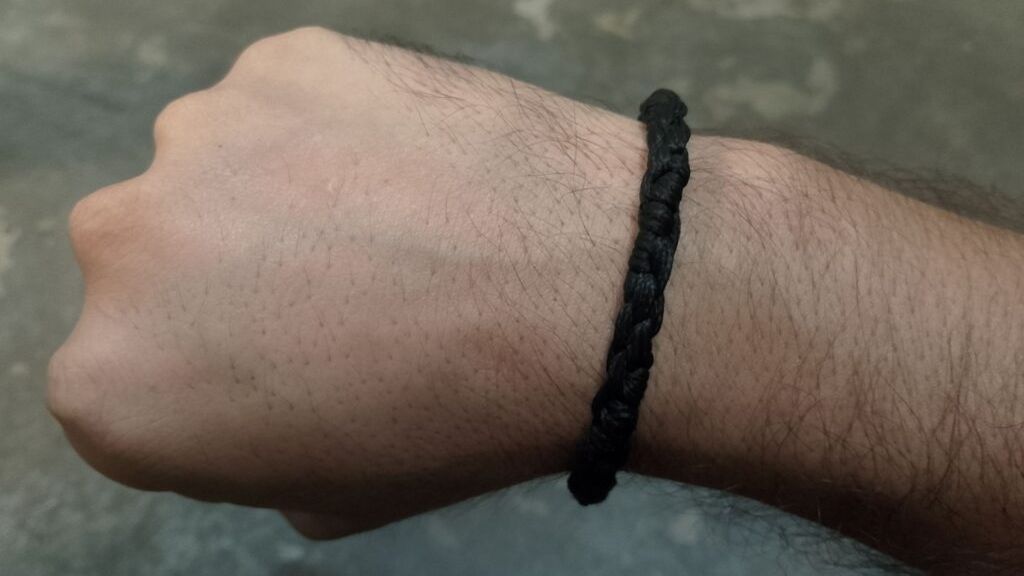
Why is Raksha Bandhan Celebrated?
Raksha Bandhan is not merely a festival of tying a sacred thread; it is a pious celebration of love, devotion, protection, and eternal faith. Celebrated every year on the Full Moon day (Purnima) of the Shravan month, this festival deepens the cherished bond between brothers and sisters. The term ‘Raksha Bandhan’ literally translates to ‘The Bond of Protection’.
Detailed History
There are several profound mythological and historical events associated with why Raksha Bandhan is celebrated.
- The Legend of Lord Krishna and Draupadi :– During the Mahabharata era, when Lord Krishna cut his finger while executing Shishupala, blood began to flow. Without hesitation, Draupadi tore a piece of her silk saree and tied it around Krishna’s bleeding finger. Touched by her love, Lord Krishna promised to protect her from all dangers, a vow he fulfilled by extending her saree infinitely during the Cheer Haran incident in the Kuru court.
- The Tale of Goddess Lakshmi and King Bali :– According to Hindu mythology, pleased with King Bali’s boundless generosity, Lord Vishnu agreed to guard his palace in the netherworld. To bring Lord Vishnu back to Vaikuntha, Goddess Lakshmi visited King Bali in the guise of a poor woman, tied a Rakhi on his wrist, and adopted him as her brother. When Bali offered her a gift, she asked for Lord Vishnu’s return to Vaikuntha.
- Queen Karnavati and Emperor Humayun :– In medieval Indian history, Queen Karnavati of Mewar sent a sacred Rakhi to the Mughal Emperor Humayun seeking his support against the invasion of Bahadur Shah of Gujarat. Honoring the sanctity of the thread, Humayun immediately dispatched his army to protect the Queen.
Detailed Architecture (Setup & Decor)
Raksha Bandhan is not centered around physical architectural structures, but the traditional home decorations showcase exquisite cultural setup.
- Worship Platter (Puja Thali) :– A polished brass or copper platter is arranged with Kumkum (vermilion), Akshat (unbroken rice grains), sandalwood, an oil lamp (diya), colorful silk Rakhis, and delicious homemade sweets.
- Home Decor :– The main entrances are decorated with fresh floral garlands (Torans). Sisters adorn their hands with intricate henna (Mehndi) patterns, and the worship altar is lovingly decorated with Rangoli designs and fresh flowers.
Travel Guide & Routes
- Timings and Auspicious Hours :– Raksha Bandhan is observed on Shravan Purnima. Tying Rakhi during Bhadra Kaal is prohibited in Vedic rituals; therefore, the ceremony must always be performed during auspicious hours free from Bhadra.
- Duration :– The ideal hours for tying Rakhi are between 06:00 AM and 12:00 PM, or during the late afternoon period from 01:30 PM to 04:30 PM.
- Travel Routes :– Public transportation networks experience extreme rush during festival days. If you are traveling inter-city to visit your siblings, ensure that transit bookings are completed 2 to 3 weeks in advance.
Photography Spots, Local Flavors & Famous Markets
- Photography Spots :– Capturing candid family portraits in traditional ethnic wear, detailed close-ups of Rakhis on henna-adorned wrists, and aarti rituals around the illuminated altar create lifelong memories.
- Local Flavors :– Classic festive delicacies include Ghevar, Kaju Katli, Coconut Laddus, Besan Modak, Rasgullas, along with hot Puri-Kachori served during family feasts.
- Famous Markets :– Hubs like Chandni Chowk in Delhi, Johari Bazaar in Jaipur, Dashashwamedh Market in Varanasi, or Crawford Market in Mumbai overflow with vibrant Rakhis and festive sweet boxes weeks prior to the event.
Interesting Facts
- Tree Raksha Bandhan :– In various regions of India, communities tie Rakhis to trees as a pledge for environmental conservation, promising to protect nature for future generations.
- Tagore’s Mass Movement :– During the 1905 Partition of Bengal, Nobel laureate Rabindranath Tagore initiated a mass Raksha Bandhan festival to promote unity and brotherhood between Hindus and Muslims.
- Rakhi for Soldiers :– Every year, thousands of sisters send Rakhis to soldiers guarding the country’s borders, praying for their safety and long life.
Important Questions and Answer :-
Question 1:– Why is Raksha Bandhan celebrated?
Answer:– Raksha Bandhan is celebrated to honor the pure bond of love, mutual trust, and the solemn vow of protection between brothers and sisters.
Question 2:- Why is Rakhi not tied during Bhadra Kaal?
Answer:– According to Vedic astrology, Bhadra Kaal is considered inauspicious, and any holy ritual performed during this timeframe is believed to yield unfavorable outcomes.
Question 3:– What is the correct ritual sequence for tying Rakhi?
Answer:– Apply a tilak of vermilion and rice on the brother’s forehead, tie the Rakhi on his right wrist, perform the Aarti with a lighted lamp, and offer sweets while bestowing heartfelt blessings.
“A simple silk thread tied around the wrist is not just a custom, but an eternal promise of love, faith, and protection connecting two souls.“