
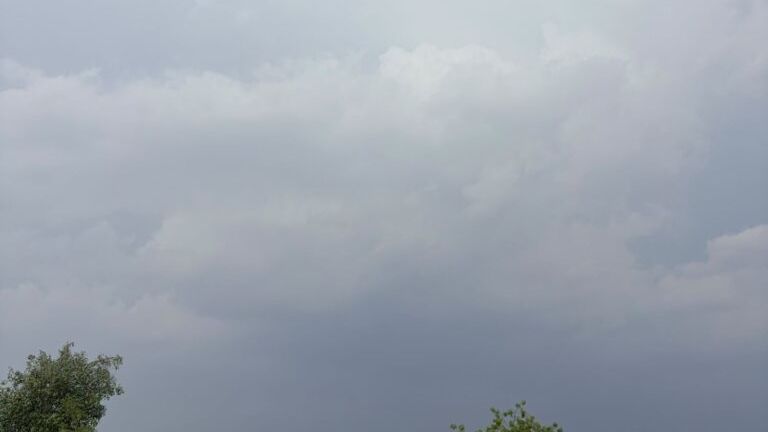
The World of Clouds :- History, Atmospheric Architecture & Complete Guide
Clouds hovering in the vast blue sky are among the most mesmerizing and dynamic creations of nature. Drifting effortlessly from horizon to horizon, clouds not only drive planet Earth’s climate and water cycle but have also inspired dreamers, scientists, and explorers for centuries. Beyond the bustling earth lies a tranquil realm—a world made purely of vapor, light, and infinite motion.
Detailed History
The scientific exploration and human fascination with clouds span across centuries.
- Historical Classification :– In 1803, Luke Howard introduced the first formal scientific classification of clouds using Latin terms—Cumulus, Stratus, and Cirrus. This system remains the global standard in meteorology today.
- Climatic Importance :– Since ancient times, civilizations learned to read cloud patterns to predict rain, changing seasons, and agricultural outcomes. Clouds are the primary carrier in Earth’s life-sustaining hydrological cycle.
- Cultural Legacy :– From ancient mythology to modern poetry, clouds have been celebrated as symbols of peace, freedom, divine messages, and natural wonder.
Detailed Architecture & Cloud Formations
Cloud architecture is governed by atmospheric pressure, temperature, and moisture levels. They are structurally categorized across different altitudes.
1. Low-Level Architecture (0 to 2 km)
- Cumulus :– Fluffy, cotton-like white structures with flat bases, usually representing fair and pleasant weather.
- Stratus :– Featureless, flat gray cloud layers that cover the sky like a soft blanket, often bringing light mist.
2. Mid to High-Level Architecture (2 to 13 km)
- Altocumulus / Altostratus :– Mid-altitude clouds appearing as rippled sheets, waves, or patchy rolls across the sky.
- Cirrus :– High-altitude, wispy, feather-like strands composed entirely of tiny ice crystals.
- Cumulonimbus :– Towering vertical cloud mountains capable of producing intense rainstorms, thunder, and lightning.
Travel Guide & Access Routes (Sky & Viewpoints)
For travelers seeking to witness the magnificent “Sea of Clouds” or experience walking amidst cloud cover, here is the essential guide.
- Prime Destinations :– High-altitude hill stations (e.g., Munnar, Mussoorie, Darjeeling, Shimla) and commercial flight routes.
- Best Viewing Hours :–
- Early Morning:- 05:30 AM to 08:30 AM (To witness cloud oceans settled in deep valleys).
- Late Evening:- 05:00 PM to 07:00 PM (To watch clouds reflect vibrant sunset hues).
- Tickets & Fees :– Observing the open sky and natural clouds is completely free of cost.
Access Routes :–
- By Air :– Flight travel provides the ultimate vantage point. A window seat offers an unobstructed, breathtaking view above the cloud blanket.
- By Rail / Road :– Winding mountain roads, cable cars, and high viewpoint trails take travelers directly into and above cloud altitude.
- Photography Spots :– Aircraft window seats, high mountain peaks, and cable car viewpoints offer incredible panoramas for cloud landscape photography.
- Local Cuisine :– Enjoying hot tea, coffee, and fresh warm snacks high up among misty clouds is an unmatched sensory experience.
- Famous Markets :– Mountain ridge markets and high-altitude promenades where clouds frequently drift through the walkways.
Interesting Facts
- Enormous Weight :– An average Cumulus cloud weighs around 500,000 kilograms (equivalent to 100 elephants), floating gracefully as microscopic droplets.
- Global Coverage :– At any given moment, approximately 67% of Earth’s surface is covered by clouds.
- Optical Illusion of Color :– Clouds appear dark when they become too dense for sunlight to pass through, casting shadows on their own undersides.
- Extraterrestrial Clouds :– Clouds exist on other planets too—Venus features clouds of sulfuric acid, while Jupiter has clouds made of ammonia.
Important Questions and Answer :-
Question 1:– Why do heavy clouds float in the sky without falling?
Answer:- Clouds consist of tiny water droplets spread over vast spaces. Thermal updrafts of warm air rising from the ground keep them floating effortlessly.
Question 2:– What causes clouds to turn dark or gray?
Answer:- As clouds grow thicker, they block and scatter incoming sunlight. The lack of light passing through makes the bottom appear dark to observers on the ground.
Question 3:– Where is the best place to experience a “Sea of Clouds”?
Answer:- Mountain peaks above 2,000 meters during early mornings, or from a window seat on a commercial airplane.
Question 4:– Which clouds are responsible for heavy thunderstorms?
Answer:- Cumulonimbus clouds are massive vertical storm clouds that bring heavy rain, lightning, and strong winds.
“Drifting endlessly through the infinite sky: Clouds are nature’s eternal reminder of peace, freedom, and quiet beauty.”